WHITE SMOKE
How Conclaves Shaped the Papacy
over Two Thousand Years
For two thousand years, every papal election has confronted the Catholic Church with the same question: what sort of pope does this moment require?
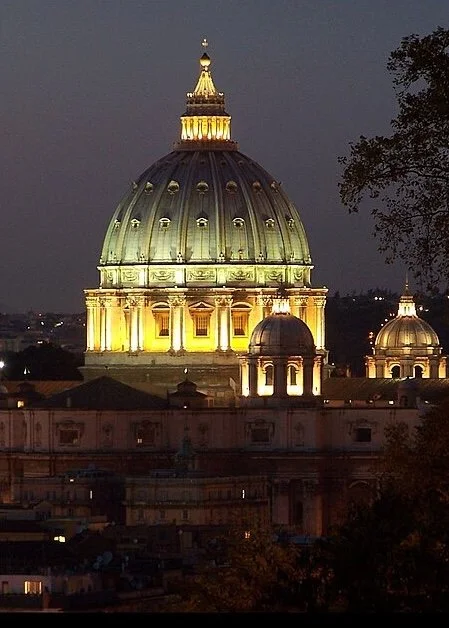
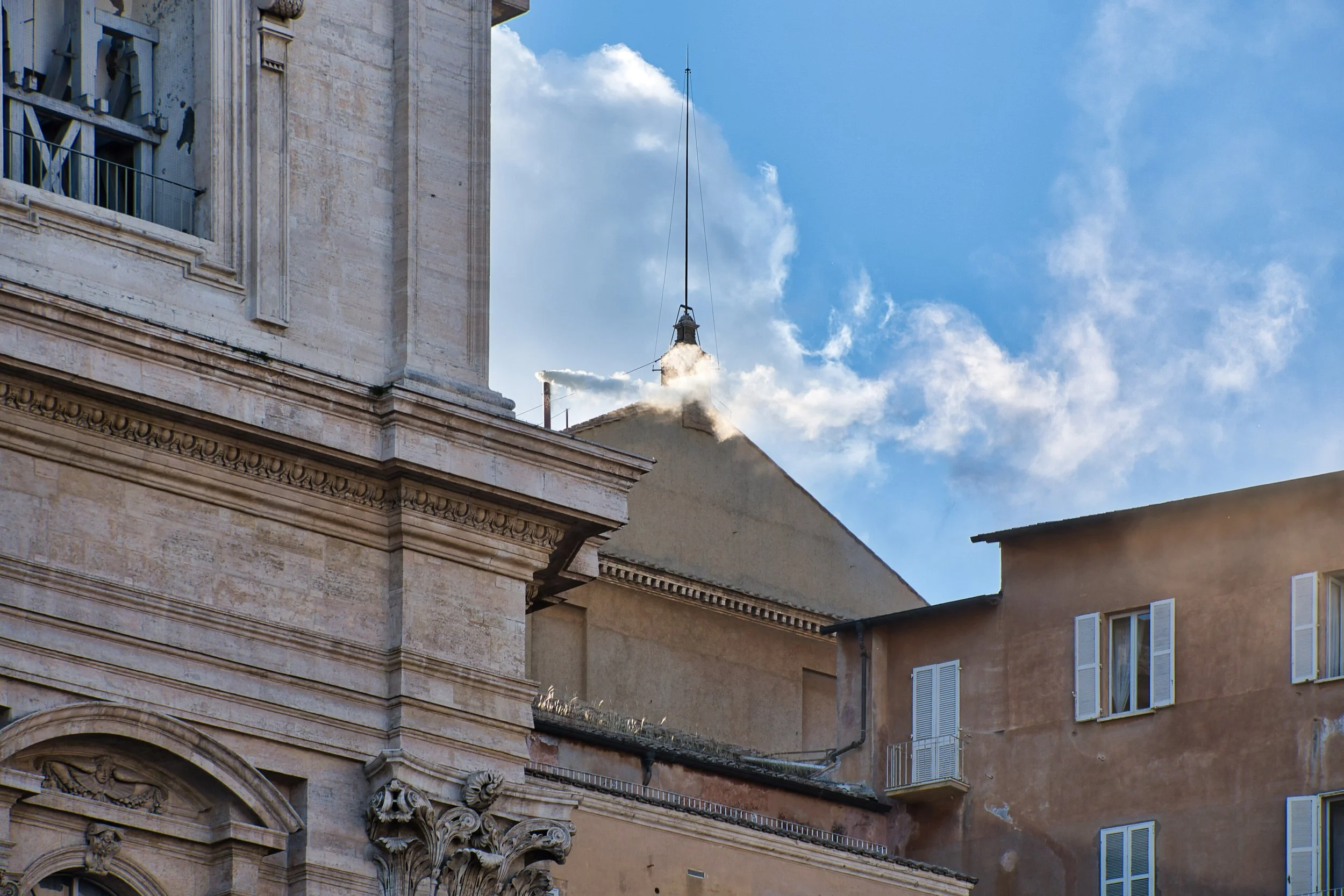
Fumata bianca.
White smoke billowed from the Sistine Chapel. Bells rang across St Peter's Square. Thousands waited to discover who the cardinals had chosen.
The conclave had reached its decision after only four ballots.
Robert Francis Prevost.
Leo XIV.
The choice surprised almost everyone.
But surprise is part of the history of the conclave.
Popes come and go.
The papacy survives.
The papacy presents itself as an institution of extraordinary continuity. Yet its survival has depended on an equally extraordinary capacity to change.
Conclaves made that possible.
Each vacancy gave the Church an opportunity to reassess its direction. Each election balanced continuity against rupture, tradition against innovation, the accumulated weight of the past against the needs of an unknowable future.
Mortality became a mechanism of institutional renewal.
Origins
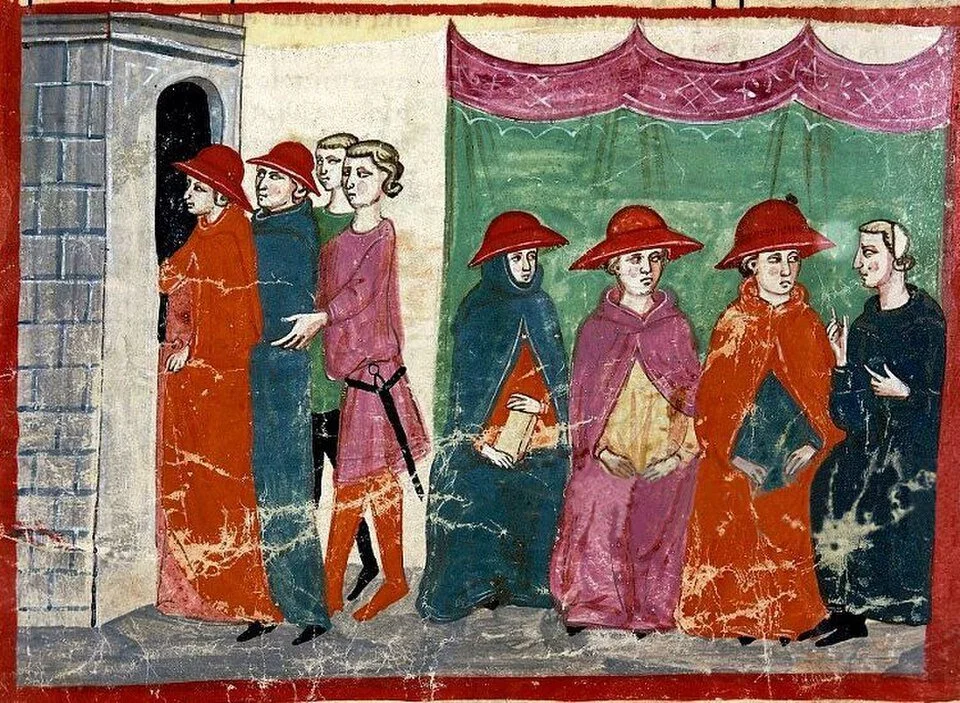
From Roman crowds and emperors to the College of Cardinals: how centuries of conflict created the rules of papal election.

Rivalries
Schisms, rival claimants and Renaissance dynasties: papal elections as struggles for power, wealth and the future of the Church.

Ascendancies
Monarchs, ambassadors and cardinals: shaping the papacy in a time of religious conflict and great power politics.

Transformations
From the loss of temporal power to the triumph of global Catholicism: how the conclave became an international spectacle and helped remake modern popes.
An absolute monarch
who cannot choose his heir.
The pope appoints the cardinals. The cardinals elect the pope. Yet neither can exercise his power without the other.
This extraordinary balance between pope and College has helped preserve the papacy through centuries of rivalry, crisis and reform.